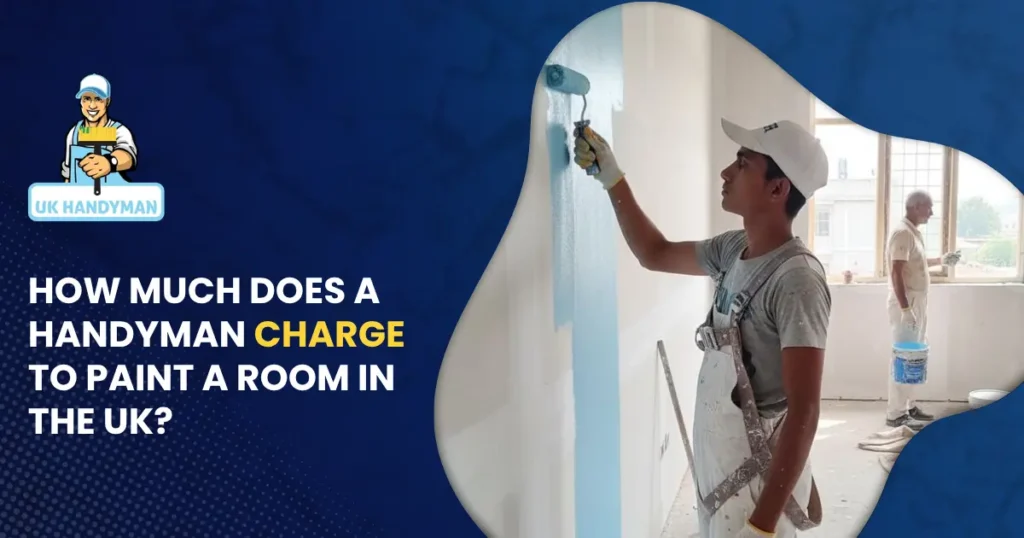
Painting a room is a fairly simple task for any painter and decorator, and it is something any DIY enthusiast can undertake. But how much would it cost if you were to hire a professional?
A regular 4m by 3m room takes 1 to 2 days to paint, including all woodwork and coving. With most decorators charging around £150 to £250 per day outside of London, your total labour cost would be roughly £300 to £500. To this figure, you will need to add around another £50 for the paint itself, which gives an average total cost in the region of £400.
To give you a better idea of how much it could cost to paint a room, we have outlined the average costs for the most common painting projects clients hire professionals for.
Across the UK, the total cost to paint a standard room typically falls between £300 and £600, including labour and basic materials. Prices vary depending on where you live, with London and the South East at the higher end and northern regions often more affordable.
Most handymen and decorators quote based on the room size and the work involved. A small single bedroom might cost £200 to £350, while a large living room with multiple doors, windows, and woodwork can reach £500 to £700. These figures include walls, ceilings, and woodwork unless stated otherwise.
Handymen charge in two main ways: an hourly or day rate, or a fixed price for the whole job. Day rates of £150 to £250 are common outside London, while hourly rates usually range from £20 to £35 per hour. Fixed pricing gives you a clear total before work begins, which many clients prefer for budgeting.
Larger rooms naturally require more paint and time. Awkward layouts with alcoves, high ceilings, or a lot of cutting-in around fitted furniture also increase labour time and therefore costs.
If walls are cracked or flaking or have old wallpaper that needs stripping, preparation will add time and cost. Filling holes, sanding, and applying a mist coat or primer all add labour hours before any colour is applied.
Standard emulsion is the most affordable option. Higher-quality paints, specialist finishes, or moisture-resistant paints for kitchens and bathrooms increase the material cost. Some premium paints also require an extra coat, which adds to labour.
Changing from a dark colour to a light one usually requires an extra coat or a tinted primer. The more coats applied, the longer the job takes, and the more paint you need to buy.
A small single bedroom (roughly 3m x 2.5m) usually takes one day to paint walls and woodwork. Expect to pay around £200 to £300 for labour, plus £30 to £40 for paint. The total cost averages £250 to £350.
A medium living room (4m x 4m) with a window, door, and skirting boards typically needs two days. Labour costs range from £300 to £500, with paint adding £40 to £60. The total often falls between £350 and £550.
Large open-plan areas, rooms with high ceilings, or spaces with lots of woodwork and coving take two to three days or more. Labour can reach £500 to £750, and paint costs rise proportionally. Budget £600 to £900 for a fully finished large space.
Labour covers surface preparation, filling, sanding, cutting in, rolling, and painting all agreed areas. It also includes clean-up and moving lightweight furniture if discussed in advance. Any extensive prep like stripping old wallpaper may carry an extra charge.
Basic emulsion paint costs around £20 to £30 per 5L tin. A standard room needs one to two tins for the walls, plus additional paint for the ceilings and woodwork. Primer, filler, masking tape, and dust sheets add another £10 to £20 to the total.
Most handymen can supply the paint and materials, adding the cost to your final bill. Some clients prefer to buy paint themselves to choose a specific brand or colour. Always confirm before work starts so nothing is overlooked.
Significant cracks, damp patches, or blown plaster need repair before painting can begin. Plaster repairs or spot filling adds time and cost. A handyman will usually assess and quote for the repairs separately.
Painting the ceiling is often an add-on. Ceilings take extra time due to the awkward working angle and cutting-in required. Expect to add £50 to £100 for a standard ceiling, more if multiple coats are needed.
Moving and covering furniture, protecting floors, and masking edges all take time. If you cannot clear the room yourself, some handymen charge a small fee for handling and protecting items, or they build this time into their day rate.
For smaller single-day jobs, an hourly or day rate can work well. For whole-room projects, a fixed price gives certainty. Most clients feel more comfortable with a fixed quote that covers the entire job from start to finish.
Many experienced handymen and decorators quote a fixed price based on room size and condition. This is professional, transparent, and lets both sides agree exactly what is included before work begins.
Clearing furniture, removing wall hangings, and cleaning surfaces reduces prep time. The less time the handyman spends on non-painting tasks, the lower your labour cost.
Trade-quality paints often provide better coverage and need fewer coats than very cheap retail paints. A mid-range paint can actually save money by reducing labour time and improving the finish.
Requesting quotes from two or three trusted local handymen helps you compare prices and understand exactly what each service includes. Always check that quotes cover the same areas — walls, ceilings, and woodwork.
Professionals deliver straight lines, even coverage, and no visible brush marks. The result looks clean and lasts longer than most DIY attempts.
What takes a handyman a day or two could take you a full weekend or longer, especially with preparation and drying time. A professional completes the work quickly with minimal disruption.
Spills, uneven coats, and paint on skirting boards or light fittings can be expensive to fix. A handyman brings the correct tools, techniques, and experience to avoid these problems.
Painting a room with a professional handyman costs an average of £400 for a standard 4m by 3m space, including labour and basic materials. Prices rise for larger rooms, complex layouts, and poor wall conditions, but even so, the value is clear.
Hiring a professional saves you time, guarantees a high-quality finish, and removes the stress of DIY. For property owners who want a fresh, perfectly painted room without the work, booking a trusted local handyman is the smartest choice.